
The soil preparation we're recommending for this area of your garden is
EarthLite TM
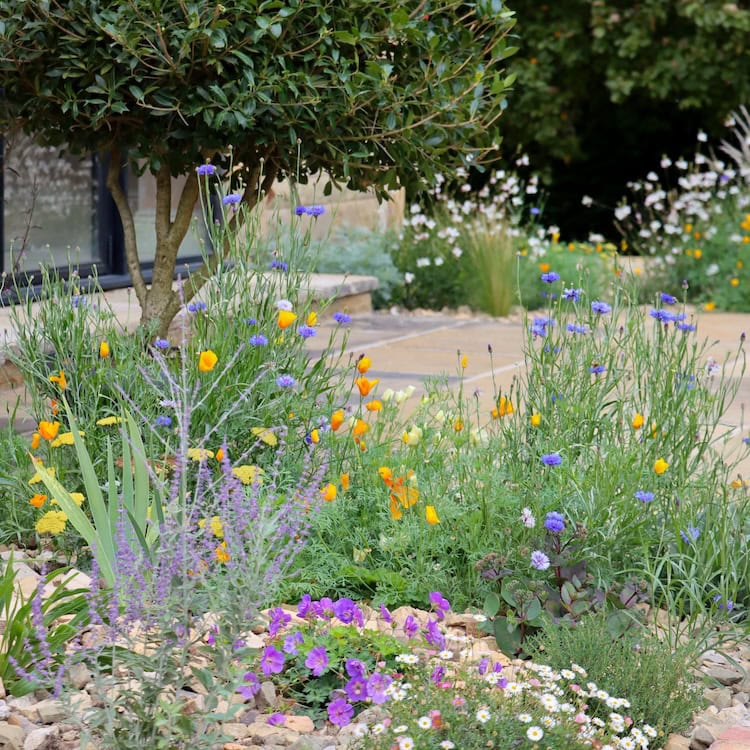
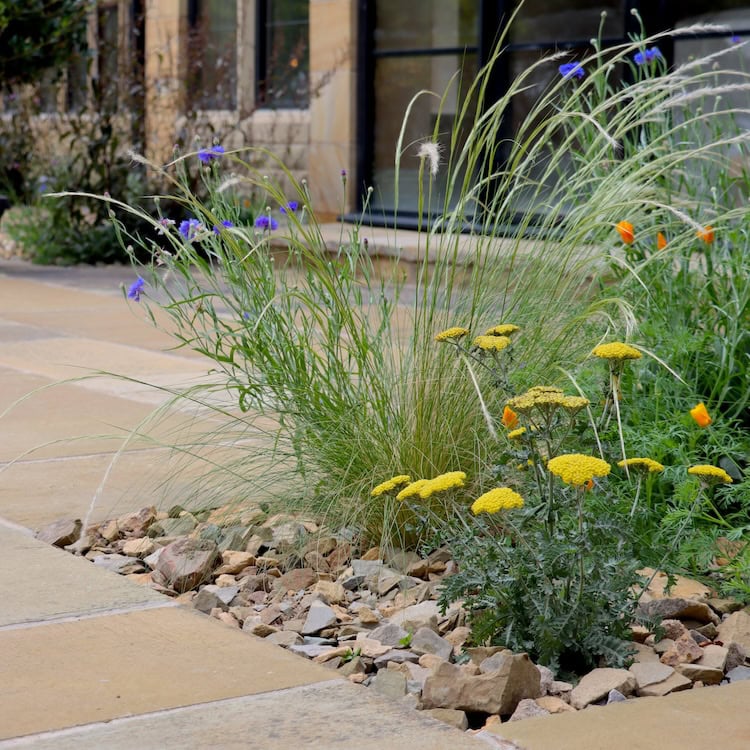
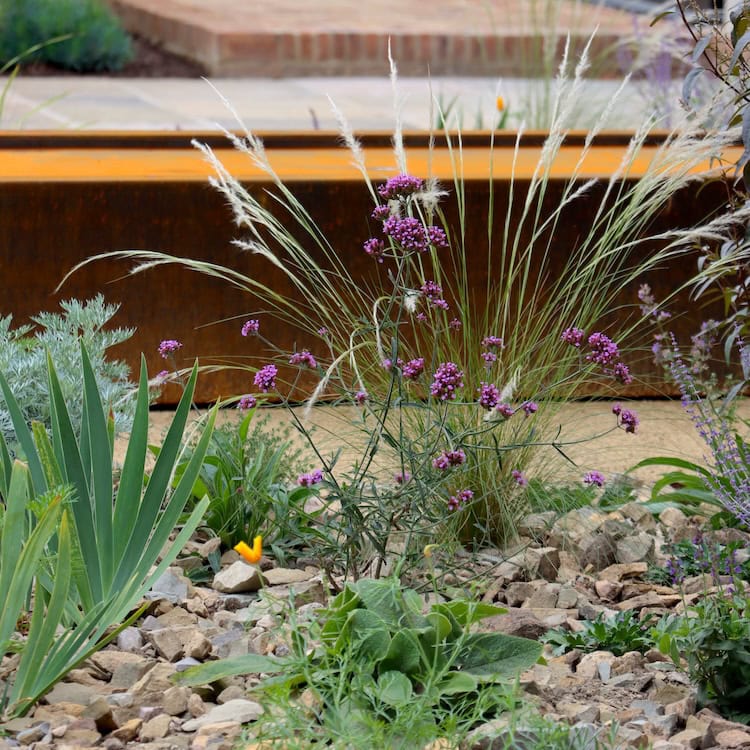
Planting for the future “We’ve been developing our EarthliteTM recipe for over four years and observing how the plants germinate, grow and flower. It’s incredible to be a part of an experiment which climate change is leading to hotter summers and wetter winters and this planting medium is the answer to growing a selection of plants that provide colour and texture in the new gardening world”
Description:
An alternative and new approach to soil importation, our EarthliteTM is not really soil at all, but a totally different kind of growing medium specially blended as a sustainable alternative to traditional soil and perfect for plants that would not normally grow well in a more traditional fertile soil.
Method:
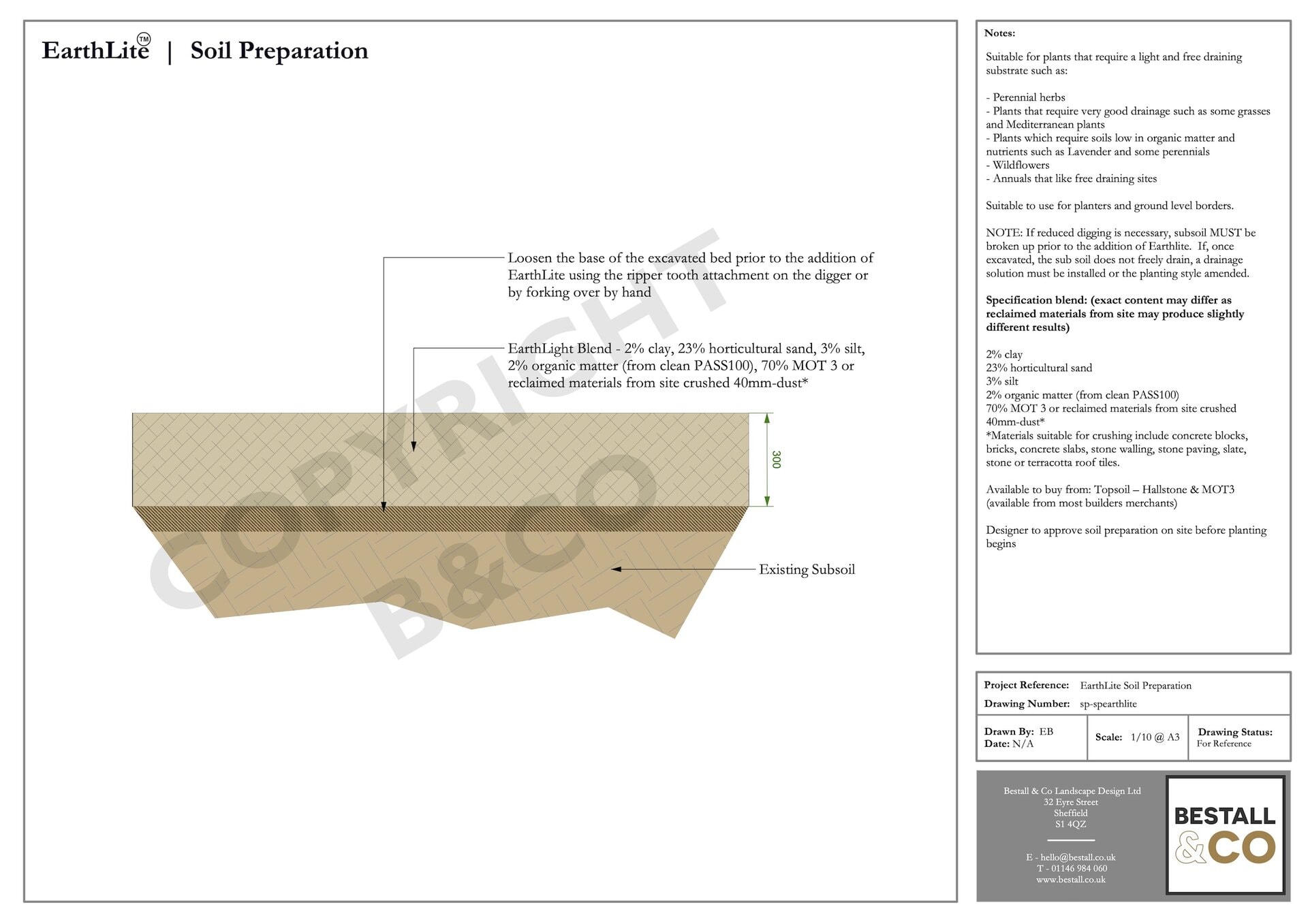
Prepare border areas as shown on plan to result in a consistent 300mm depth of blended EarthLite. Loosen the base of the excavated bed prior to the addition of Earthlite using the ripper tooth attachment on the digger or by forking over by hand.
NOTE: If the borders cannot accommodate a 300mm depth of Earthlite, reduced digging may be necessary and therefore the subsoil MUST be broken up prior to the addition of Earthlite. If, once excavated, the sub soil does not freely drain, a drainage solution must be installed or the planting style amended. It may at this point be necessary to upgrade to Standard Plus Soil Preparation.
Suitable for most:
- Perennial herbs
- Plants that require very good drainage such as some grasses and Mediterranean plants
- Plants which require soils low in organic matter and nutrients such as Lavender and some perennials
- Wildflowers
- Annuals that like free draining sites
Not suitable for:
- Most trees (but there are some exceptions) so we’d recommend creating traditional tree pits to help the trees establish.
- Most traditional deciduous hedging
- Shrubs that require moisture
- Traditional herbaceous perennials that require a fertile soil or boggy conditions
- Annuals that require a fertile soil
- Vegetables
- Most annual herbs
- Fruit
- Small planters
- Acid loving plants such as Rhododendrons, Camelias, Azaleas
- Bog plants
Specification blend: (exact content may differ as reclaimed materials from site may produce slightly different results)
- 2% clay
- 23% horticultural sand
- 3% silt
- 2% organic matter (from clean PASS100)
- 70% MOT 3 or reclaimed materials from site crushed 40mm-dust*
*Materials suitable for crushing include concrete blocks, bricks, concrete slabs, stone walling, stone paving, slate, stone or terracotta roof tiles.
Available to buy from: Topsoil – Hallstone & MOT3 (available from most builders merchants)
Designer to approve soil preparation on site before planting begins
What to plant. Click here to find out what to plant and how to look after your new Earthlite beds and borders.
Helpful Notes:
This soil blend has been selected due to its free-draining nature and will not appear like a traditional soil. The final surface could be mulched (available as an upgrade) if desired.
Please expect some annual weed growth in the first two seasons. These should be pulled out by hand before they become established.
If the newly created beds will be left fallow (empty) for any period of time, it may be easier to use one application of weedkiller.
Annual seeds sown in April will germinate and flower in the same year. Perennial seeds may be slower to germinate and will normally flower from year two onwards. Please note that the germination and growth of perennials from seed will be slow in year one, often only showing 5-10cm of growth.
Specification created March 2025. Page updated August 2026.