
The Story Behind English Outdoor Kitchens
By Lee Bestall
I have always loved cooking but I’m in my happy place when I’m cooking outdoors. Sometimes in a theatrical, showy kind of way, but more often in the quiet, practical, everyday way that feels entirely natural when you have a garden you truly use. Warming my electric grill or firing up my pizza oven on a (warm or cold)evening, fills me with joy. The garden, in my mind, has always been an extension of the home, and yet the furniture we place in it rarely reflects that.
Over the years, as a garden designer and as someone who spends an inordinate amount of time in outdoor spaces, I found myself increasingly frustrated with what the market offered when it came to outdoor kitchens and cabinetry. Most were either overly complex, heavily engineered systems designed around specific appliances, or lightweight seasonal furniture that looked tired after a year or two. They often felt like products from a catalogue rather than something that belonged in a garden with history, texture and character.
I wanted something different.
I wanted something that felt as though it deserved to be there. Something honest, solid, beautiful and useful. Something that didn’t shout “outdoor kitchen”, but instead felt like a well-made piece of indoor furniture that just happened to be perfect for cooking, potting, serving and living outdoors.
That is where my story of the English Outdoor Kitchens began.
A desire for simplicity
One of the main frustrations I had with many outdoor kitchen offerings was the complexity. Endless modules. Appliance integrations. Technical drawings that looked more like a commercial catering plan than something destined for a garden. It all felt unnecessarily complicated.
In reality, most of us do not cook outside in the way those systems suggest. We use a barbecue, a grill, a pizza oven or a portable appliance that changes every few years. Appliance manufacturers constantly alter sizes and specifications. Building cabinetry tightly around these felt short sighted and impractical. The kitchen would be compromised by the lifespan of the appliance.
So, I made a deliberate decision early on. The kitchen should outlast the appliances. It should not depend on them.
Instead, I focused on creating beautiful, durable cabinetry that could sit comfortably alongside whatever cooking equipment you chose to use, now or in the future. Flexible. Adaptable. Sensible.
Built like proper furniture
I knew from the outset that these kitchens had to be made properly.
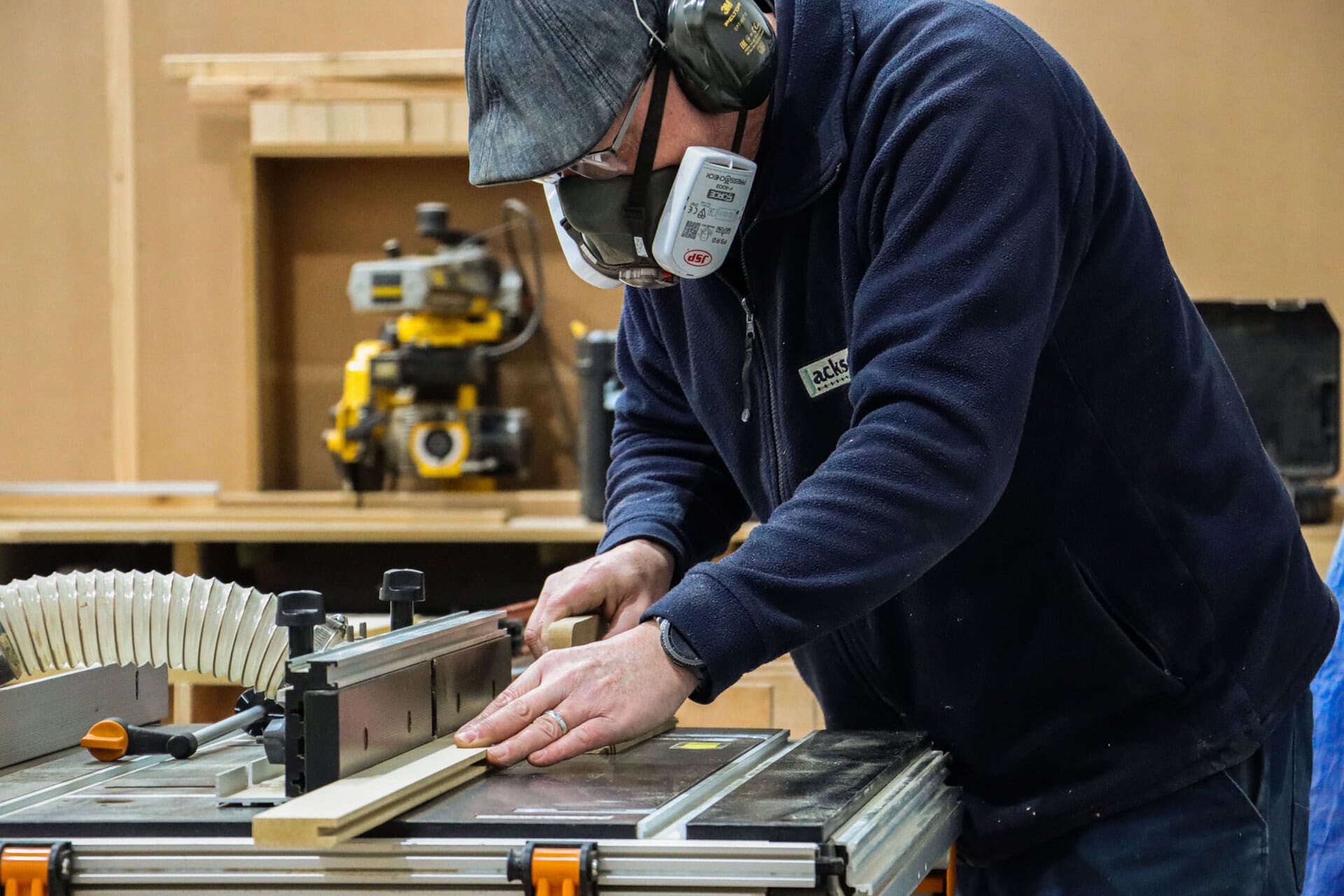
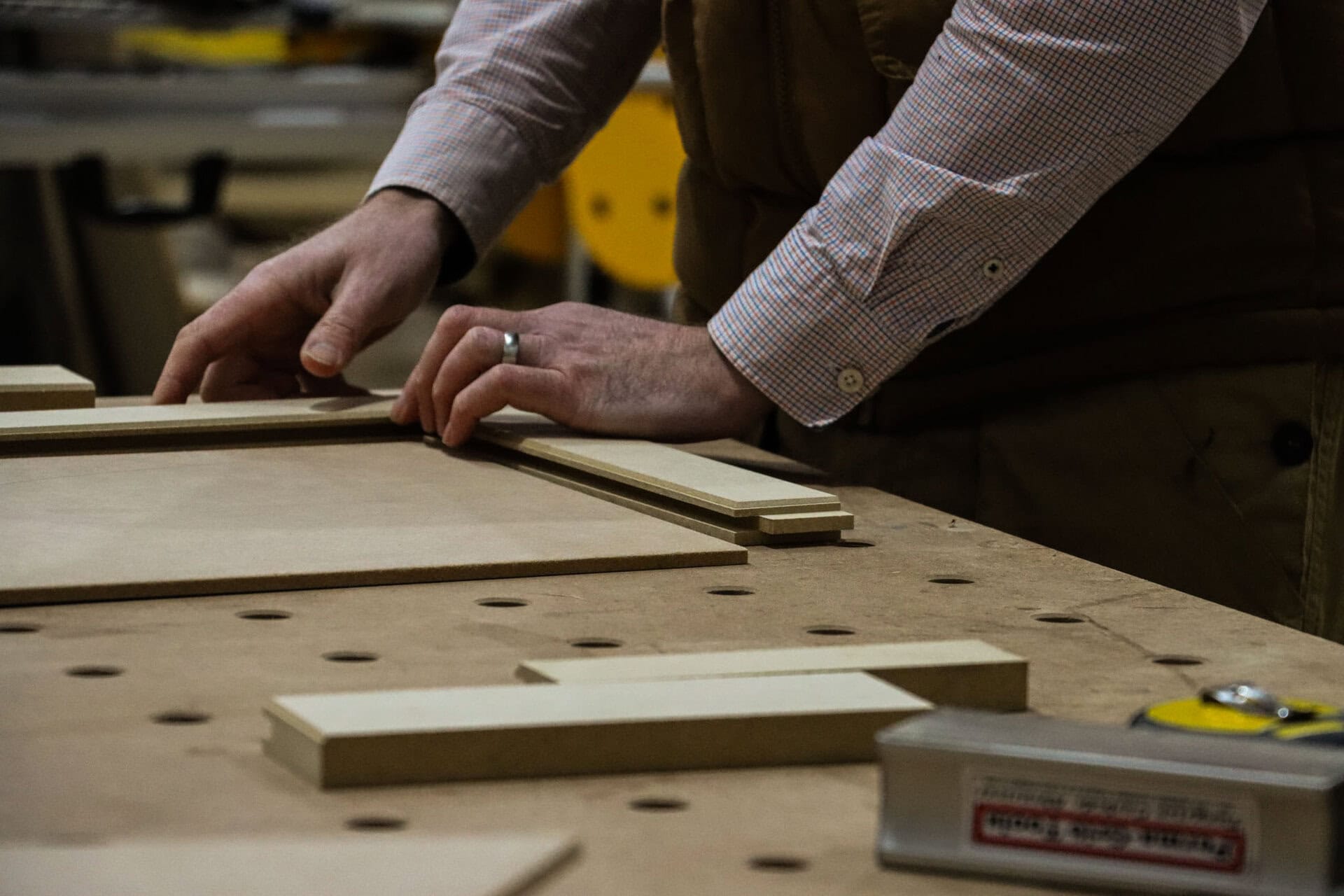
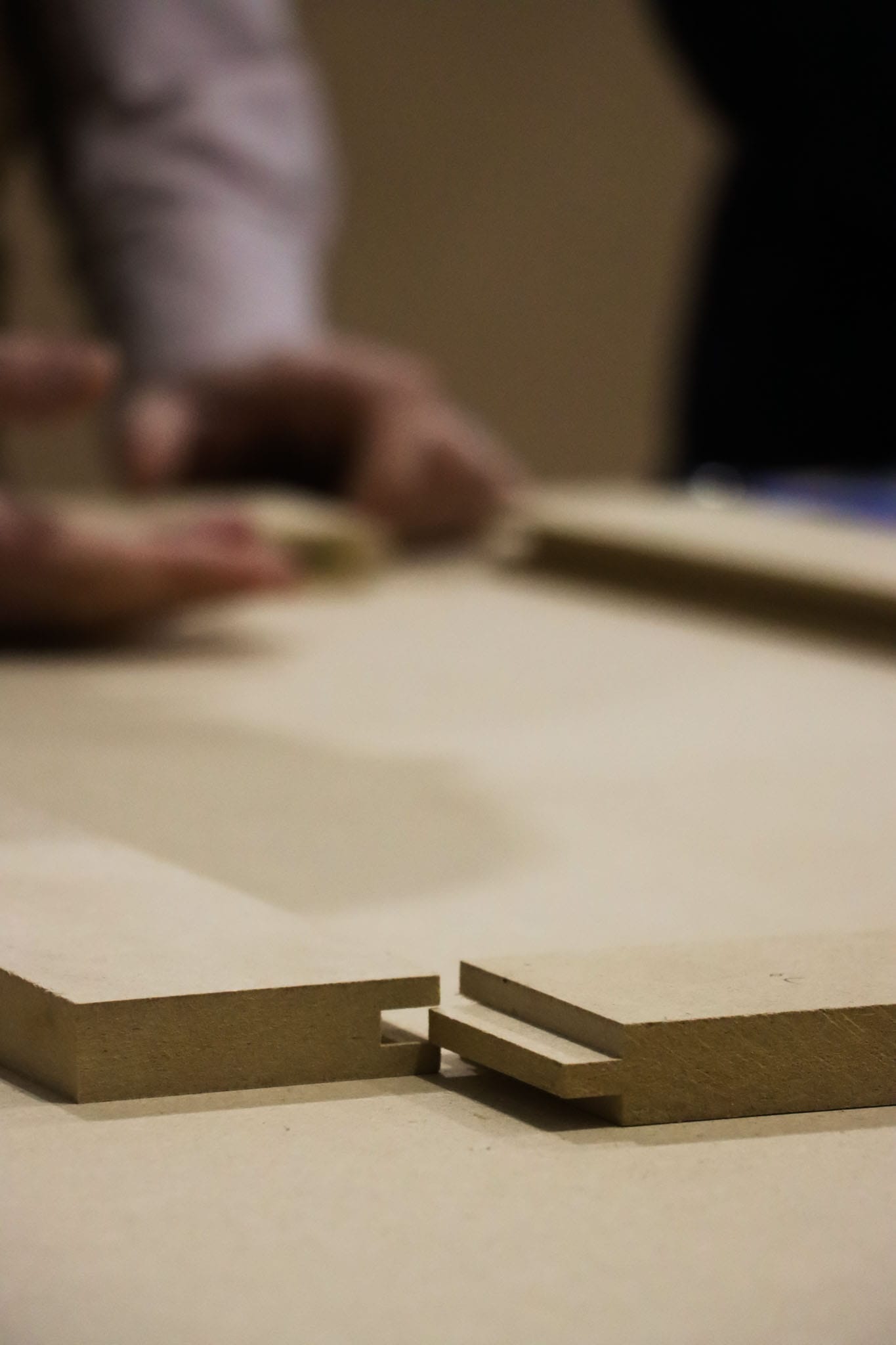
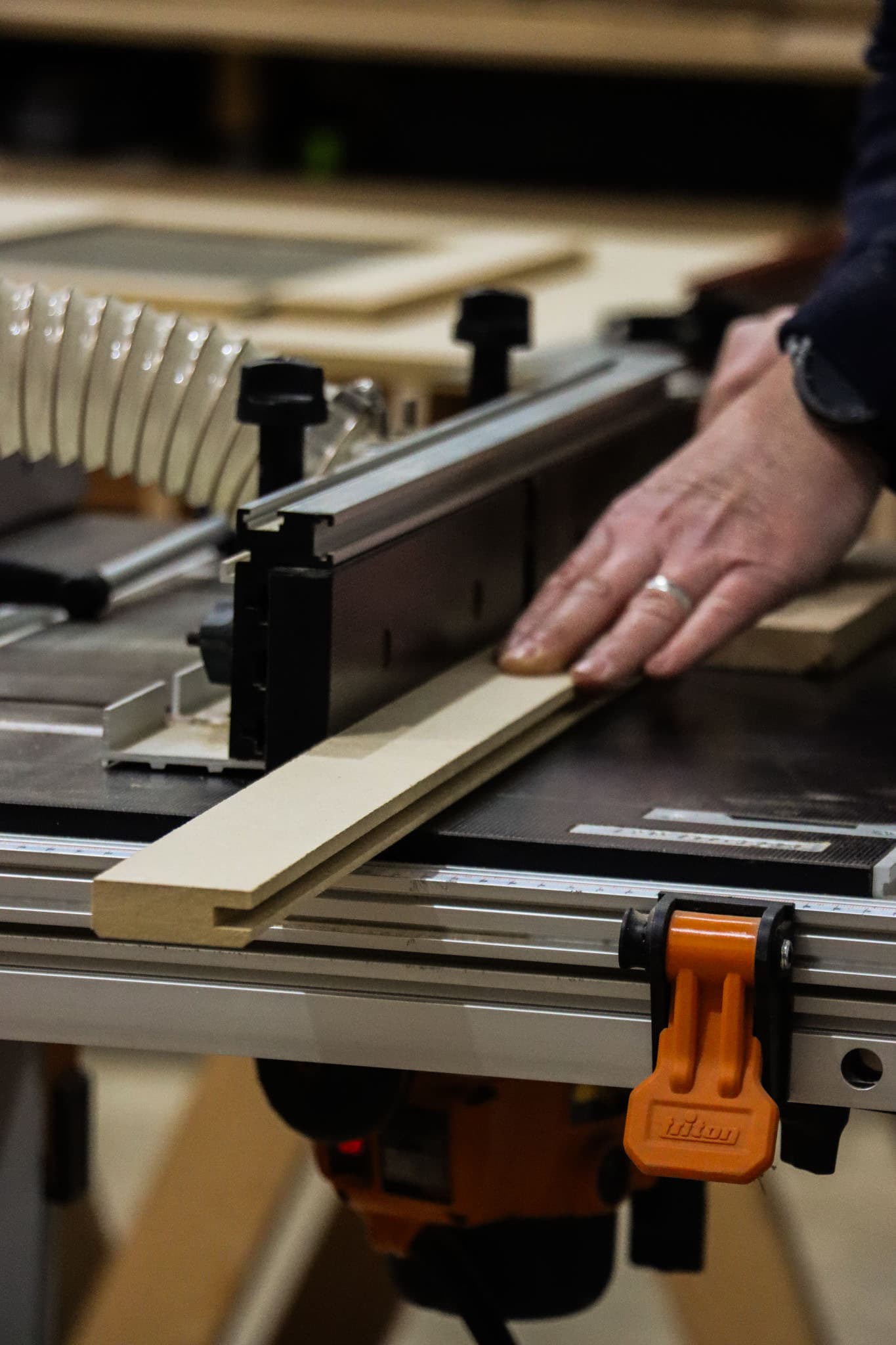
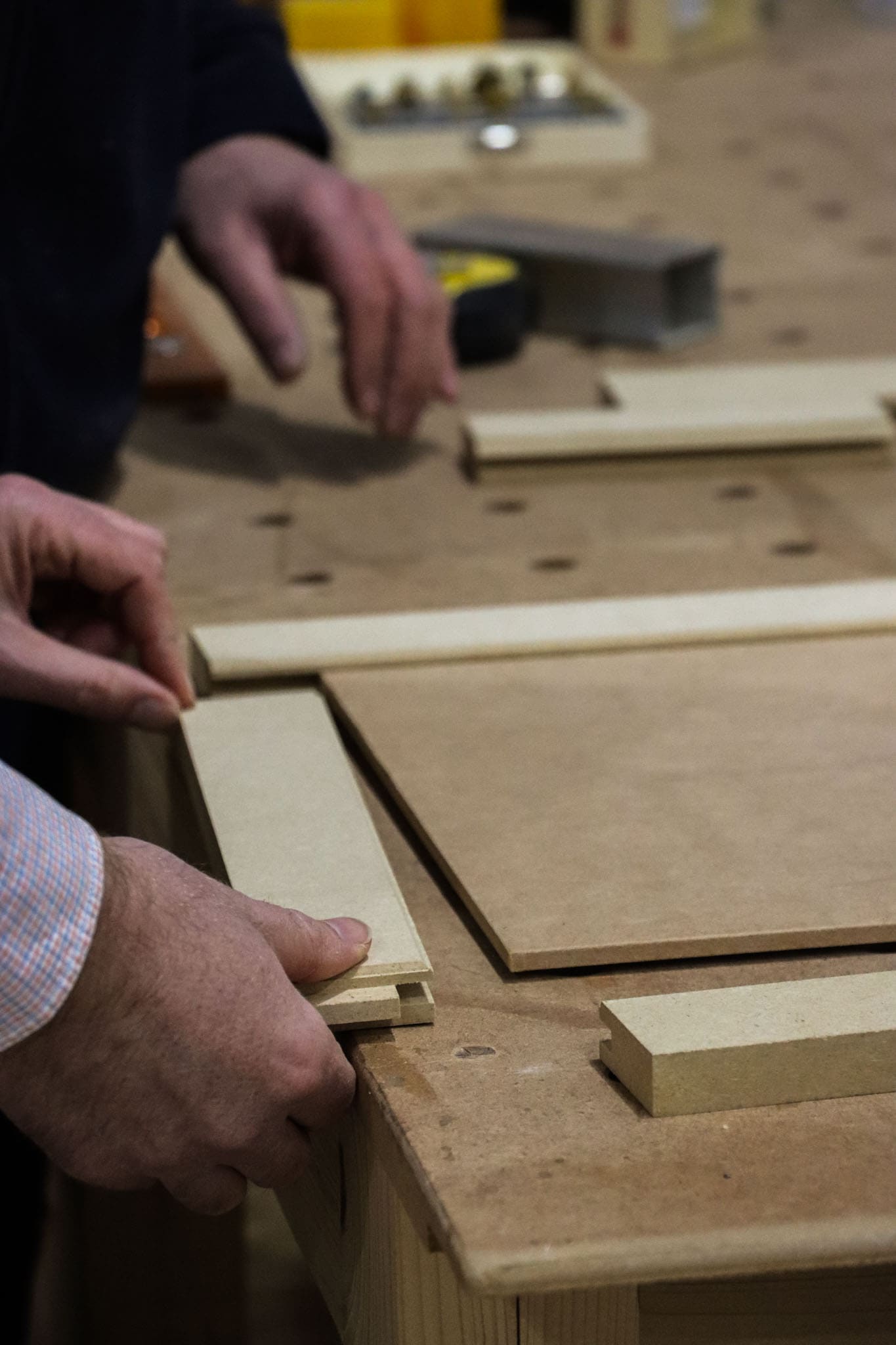
They are handmade in Yorkshire using traditional joinery techniques and high quality timber chosen specifically for outdoor use. They are built as complete pieces in our workshop, not assembled from flat packs or lightweight panels. When they arrive with you, they are already fully formed, solid and ready to be placed in the garden.
This approach means they are quick and straightforward to install, but more importantly, it means they have the integrity of real furniture. The kind of furniture that can be repainted, repaired, refreshed and kept for decades rather than replaced every few years.
They are hand painted for the same reason. Spray finishes can look perfect on day one, but they do not age well outdoors. A hand painted finish allows the timber to breathe and move naturally with the seasons. It weathers gently and, when the time comes, can be easily repainted to give the kitchen a completely new lease of life.
I wanted these kitchens to be something you could evolve with, not discard.
A Northern Designer twist
Style was incredibly important to me.
I did not want these kitchens to feel fussy, ornate or overdesigned. Nor did I want them to feel ultra-modern or clinical. They needed to sit comfortably in the country gardens, modern gardens and traditional gardens that we design.
So I designed a small collection of classic door styles, simple and well proportioned, with a quiet nod to traditional English cabinetry but with what I like to think of as a Northern Designer twist. Understated. Honest. Confident without being too loud.
The colour palette was chosen just as carefully. A small, considered range of hand painted colours that sit naturally in the garden throughout the seasons. Colours that look as good against spring foliage as they do against winter frost.
Limiting the choices was intentional. It keeps the range coherent, timeless and easy to select from, while allowing us to focus on quality rather than endless variation.
More than an outdoor kitchen
Very quickly, I realised that what I was designing was not just an outdoor kitchen.
Yes, it is perfect for cooking. The worktop is constructed from a durable, UV stable material designed specifically for the English climate. It is easy to clean with warm soapy water and stands up beautifully to rain, sun, frost and everyday use.
But in truth, you will probably spend far more time looking at this piece than you will cooking at it.
So I wanted it to be a thing of beauty.
These pieces work just as well as potting benches, drinks stations, bars, side tables, display areas for plants, or simply as somewhere useful to rest tools and trays while you potter about the garden. They bring structure and purpose to a space, even when they are not being actively used.
They become part of the garden’s furniture, rather than a specialist item wheeled out for summer.
Practical, everyday storage
I also wanted them to be genuinely useful.
Each kitchen includes optional shelving and enclosed storage, ideal for all the things that tend to live awkwardly around the garden. A dustpan and brush. Outdoor cleaning products. Wellies. Logs and kindling. Baskets. Trays. Seat pads. The everyday paraphernalia of garden life.
I wanted well made, traditionally constructed doors, because sometimes you want things tidied away. But I also wanted the option for open sections where logs, baskets or pots could be displayed and accessed easily.
A small skirting detail grounds the kitchen visually and protects the base from knocks and splashes. Little things that make it feel finished and considered.
I am also realistic. This is outdoor furniture. Spiders, dust and the odd leaf will find their way in. That is part of garden life. These cupboards are not designed for long term crockery storage. They are designed for honest, practical, outdoor use.
Designed to live outside, all year round
One of the questions I am often asked is whether they need to be covered in winter.
They do not.
They are designed to live outside permanently. In fact, I think they often look their best in winter. Frost on the worktop. Fallen leaves gathered at the base. Low winter light catching the hand painted finish. They feel settled and at home in the landscape.
This was always important to me. I did not want something that had to be wrapped up and hidden away for half the year. I wanted something that belonged there.
Existing Example
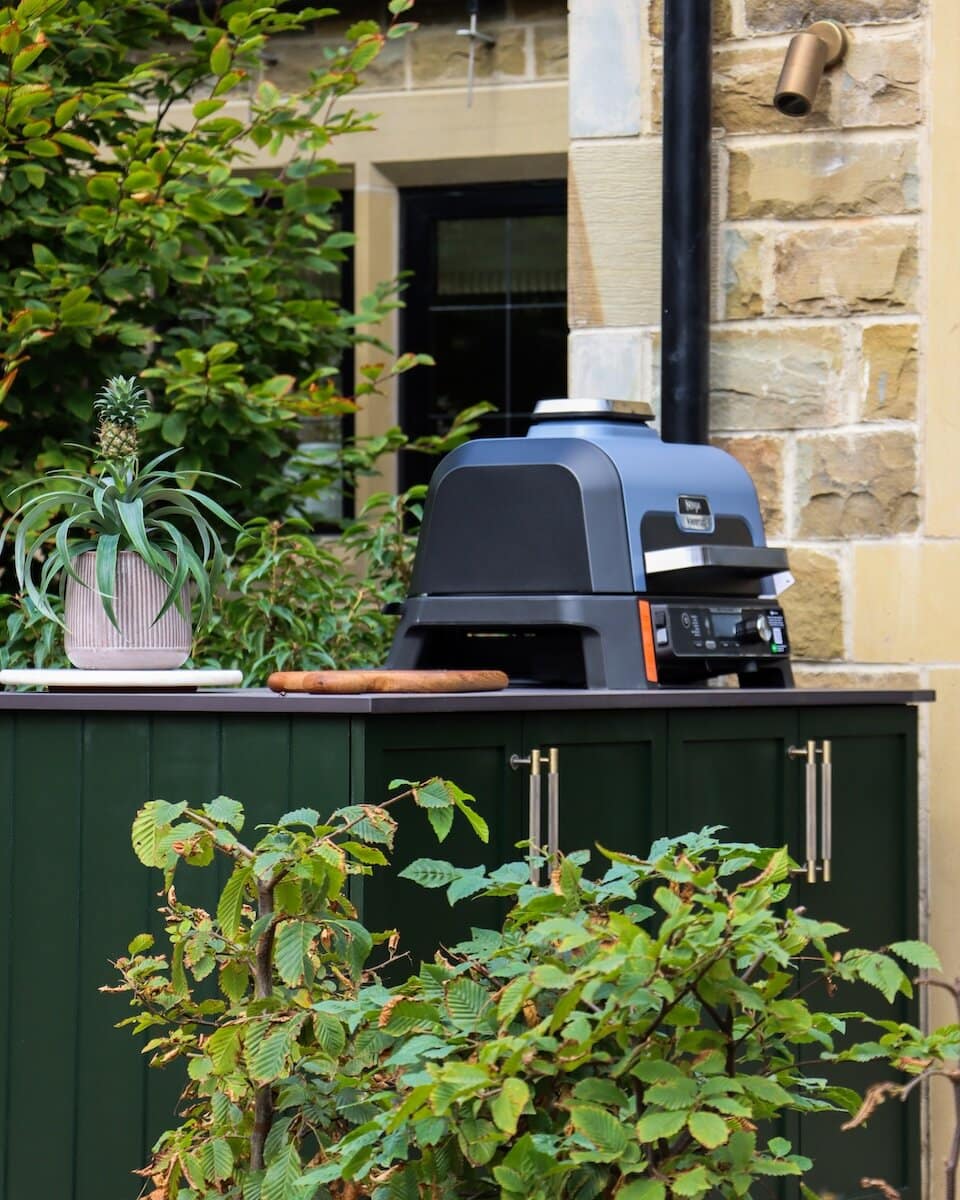
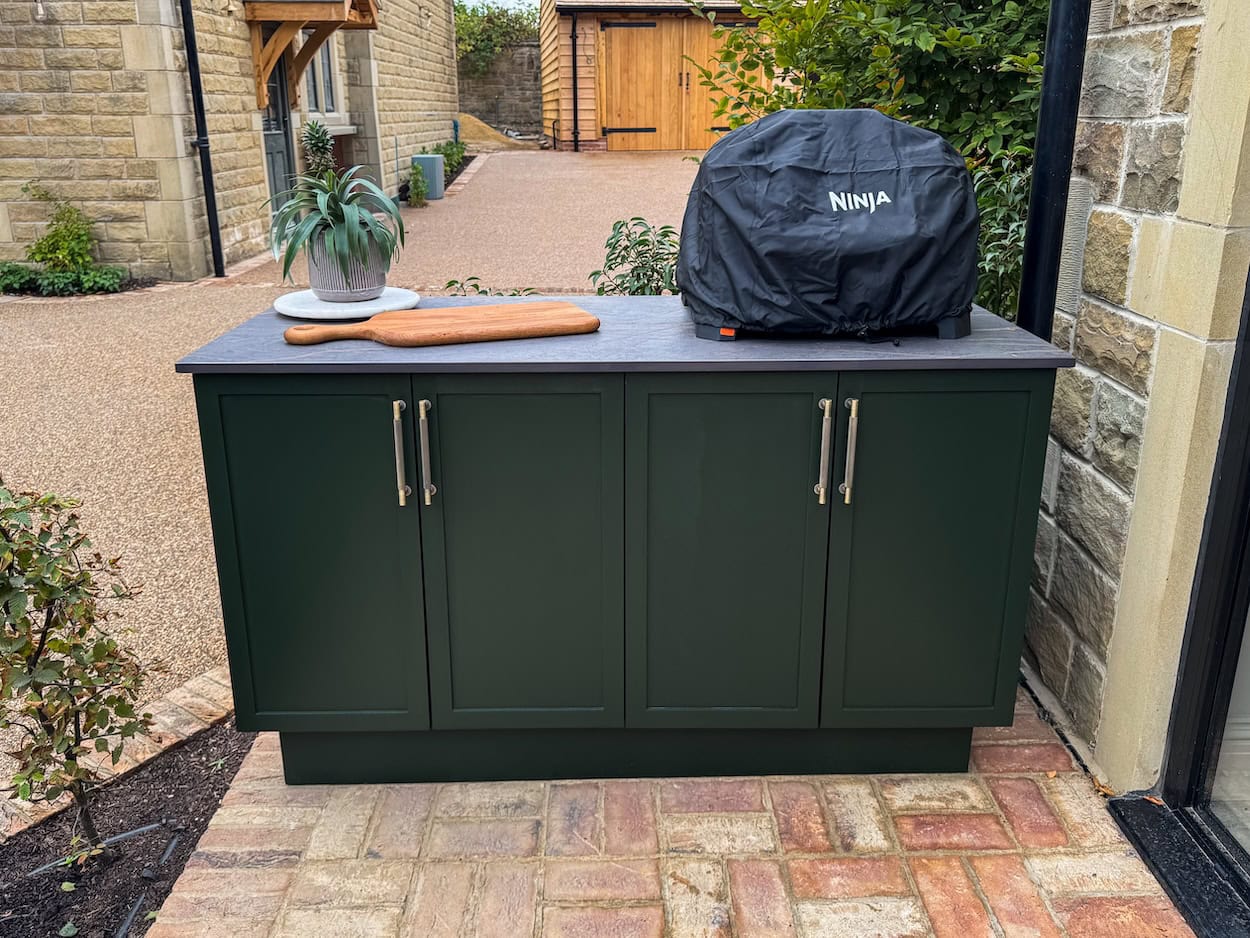
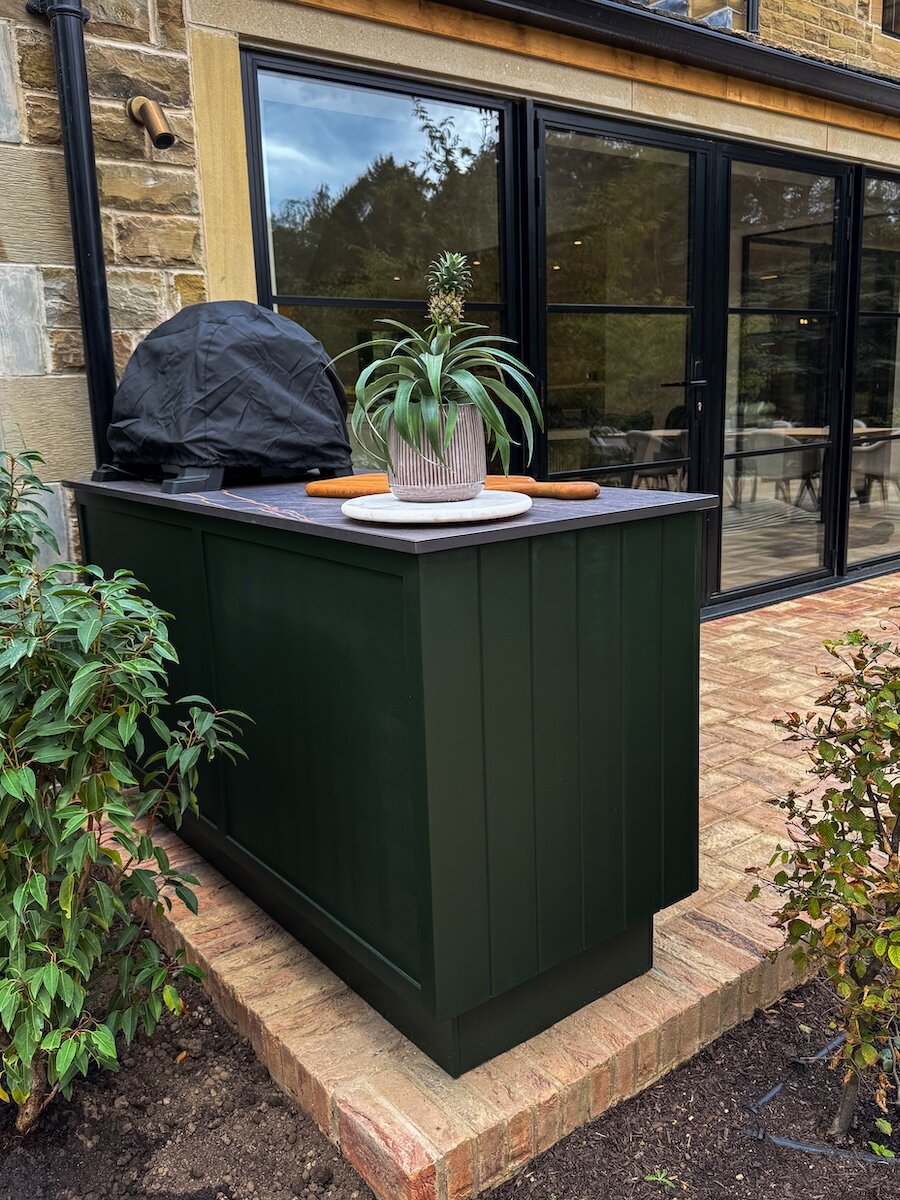
Contemporary – Green – Brass – Berkley
Why Yorkshire matters
Manufacturing these kitchens in Yorkshire was never negotiable.
This is where we have the skills, the workshop, the understanding of timber and the ability to oversee every detail of production. It allows us to maintain quality, support local craftsmanship and ensure that every piece that leaves the workshop is something we are genuinely proud of.
There is also something fitting about outdoor kitchens designed for British gardens being made in the north of England, where we understand rain, frost, wind and the realities of outdoor life better than most.
These kitchens are not designed for Mediterranean climates. They are designed for ours.
A long term view
Perhaps the most important part of the story is this: I did not want to design something disposable.
I wanted to create something that could sit in a garden for decades. Something that could be repainted when tastes change. Something that could be repurposed as life evolves. Something that feels better with age rather than worse.
In a world of fast products and short lifespans, I wanted to make something that quietly resisted that idea.
A proper piece of garden furniture. Built well. Designed simply. Made to last.
I hope you love them
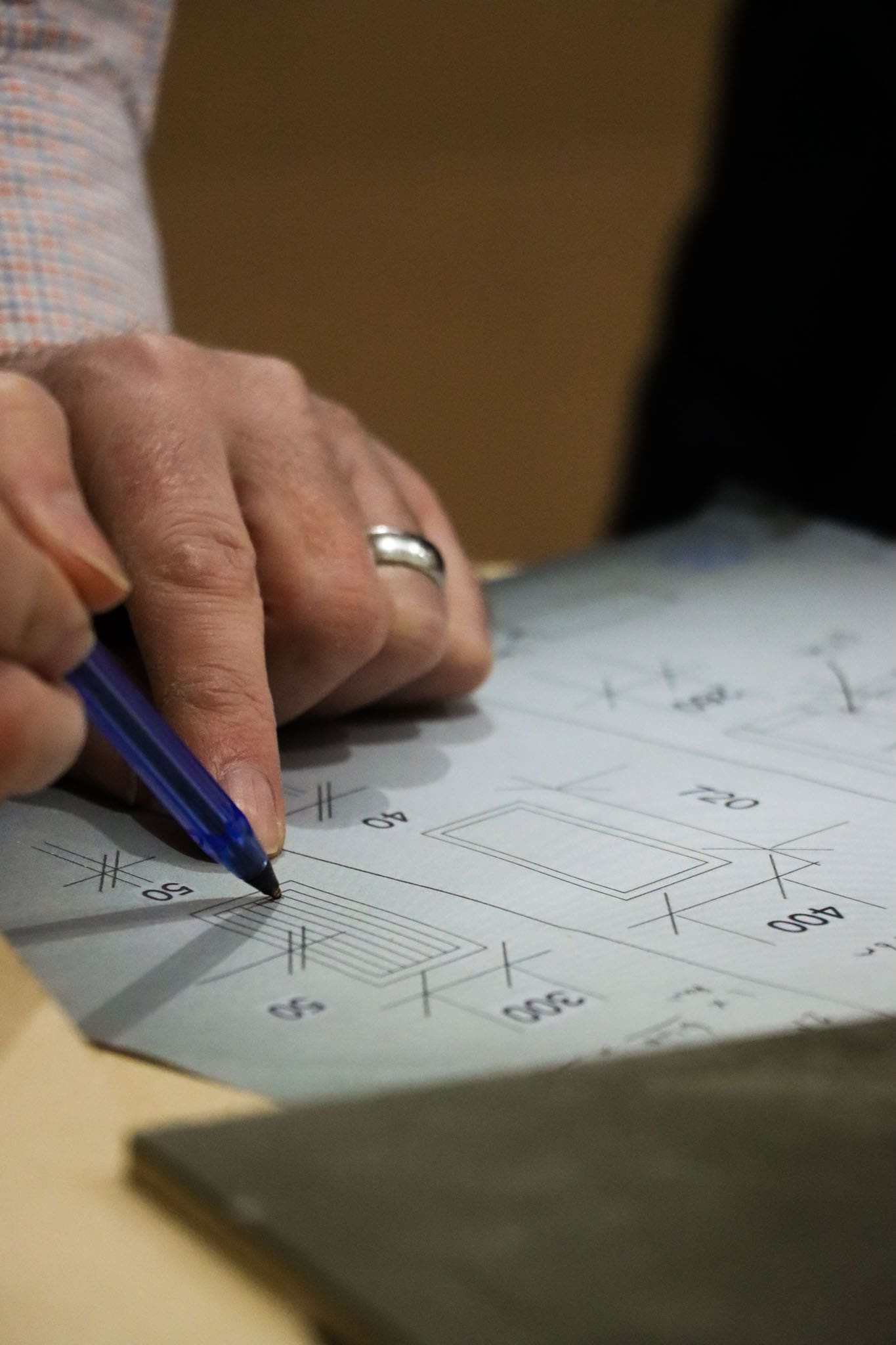
These kitchens have come from years of thinking, sketching, refining and, frankly, being slightly dissatisfied with what else was available. They are born from a love of outdoor cooking, a love of gardens, and a desire for things to be made properly.
They are practical. They are beautiful. They are simple to choose, simple to install and easy to live with.
Most of all, they feel like they belong.
I hope you love them as much as I do.
Lee x