Garden Core | The Garden Trend That’s Less About Style and More About How We Live
You’ve probably heard of Granny Core.
If you haven’t, imagine a world of floral fabrics, old wooden furniture, scalloped edges, mismatched china, embroidered cushions, pleated lampshades and things that look as though they’ve been passed down through three generations, even if you actually bought them last week. I have to admit, I’m rather partial to it.
Both my indoor pantry and my outdoor pantry cupboard are probably the greatest giveaway. There are jars of things lined up on shelves, baskets, old fashioned kitchen paraphernalia, useful things that are also beautiful and probably more bowls than I’ll ever need. I like spaces that feel collected rather than “done”. Things with a bit of age, with a story and things that don’t look as though the whole room arrived on the same delivery van.
For me, there’s something comforting about Granny Core. It rejects that slightly soulless idea of perfection and replaces it with personality, and lately I’ve been wondering whether exactly the same thing is happening outside.
So what is Garden Core?
What is Garden Core?
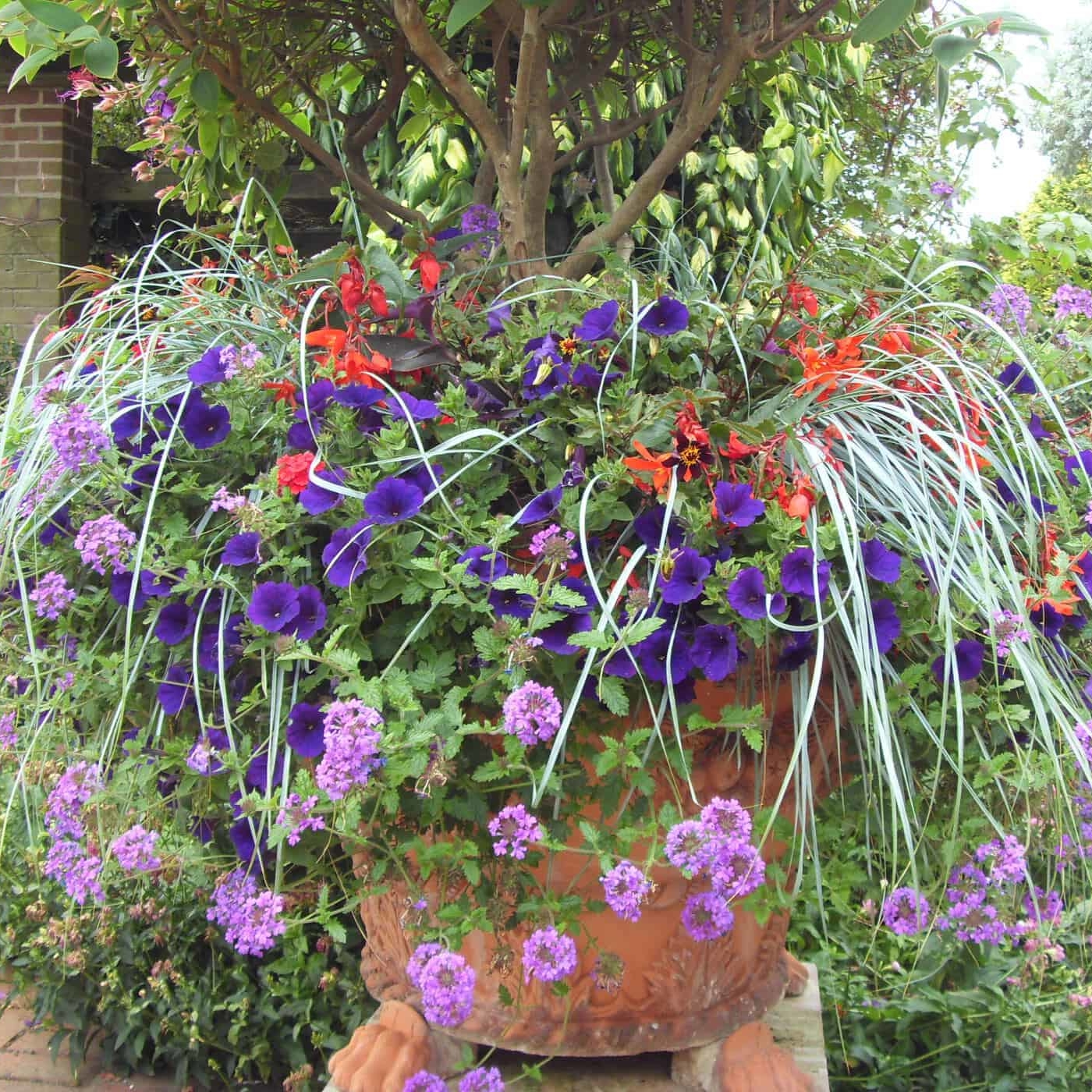
Garden Core is less of a defined garden design style and more of an attitude towards the garden. It’s about creating an outdoor space that feels lived in, loved, useful and connected to the people who own it. Think terracotta pots gathered by the back door, a weathered bench in exactly the right spot for the evening sun, herbs growing close enough to the kitchen that you’ll actually use them and a watering can that’s left out because it looks cute. Roses tumbling through other plants rather than standing on their own and an outdoor island unit that’s equally useful for arranging flowers, potting something up or opening a bottle of wine.
It’s not necessarily neat and it’s certainly not sterile, and crucially, it doesn’t look as though the gardener has just left the photograph moments before it was taken. The gardener is still very much there, and that, for me, is the difference.
We’ve spent years looking at immaculate gardens online where everything is clipped, pressure washed and photographed at exactly 7.14pm when the light catches the ornamental grasses. Beautiful? Absolutely, but I think we’re beginning to crave something a little more human and garden core is the slightly muddy antidote.
Garden Core isn’t Cottage Core
There’s obviously a relationship between Garden Core and Cottage Core, but I don’t think they’re quite the same thing. Cottage Core is an aesthetic. Garden Core is a lifestyle. You don’t need a thatched cottage, a meadow or an apple tree with a swing hanging from it and you certainly don’t need to wander around carrying a wicker basket of freshly cut sweet peas, although I’m not going to stop you.
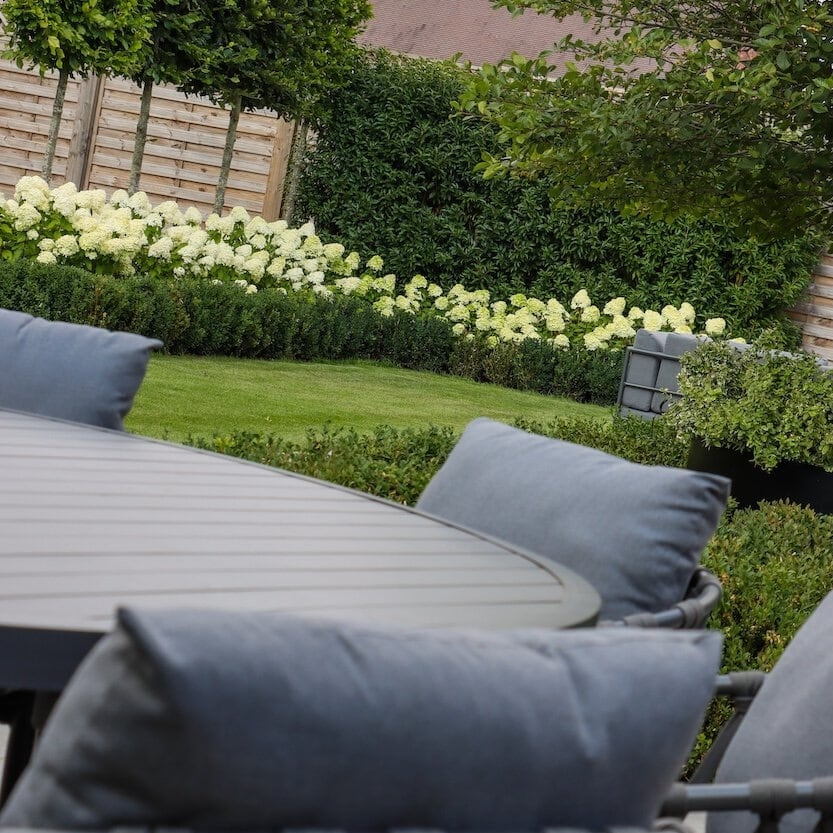
Garden Core can work beautifully in a modern garden and in fact, I think that contrast can make it even better.
A contemporary paved terrace can have huge terracotta pots overflowing with herbs. A very architectural garden can include a battered old timber table. A smart outdoor kitchen can sit alongside pots of rosemary, thyme and mint. A beautifully detailed modern greenhouse can still contain muddy boots, plant labels, secateurs and half a packet of seeds from 2001 that you remain convinced will germinate.
Garden Core isn’t about pretending to live in another era, it’s about allowing gardening to become visible.
The return of the useful garden
This is perhaps the part I love most. For years, we’ve tended to separate the productive garden from the beautiful one. The vegetable garden went over there, the greenhouse was hidden behind the hedge, the compost bins were screened off and he potting bench lived somewhere nobody could see it. Meanwhile the “proper garden” was expected to sit looking immaculate. I think Garden Core turns that idea on its head.
The useful parts become beautiful, a collection of herbs in aged terracotta pots is both productive and decorative. Espaliered fruit can become part of the architecture of a wall. A beautifully made potting bench deserves to be seen. A greenhouse can become one of the most romantic structures in the garden. Even washing on a line, if we’re being honest, can make a garden feel alive.
The garden stops being scenery and starts becoming part of daily life, and I think that’s important.
Garden Core should feel collected, not purchased
This is where people can go slightly wrong with any trend. You discover Garden Core on Monday and by Wednesday you’ve ordered twelve identical terracotta pots, an antique looking watering can and a strategically distressed wooden ladder. Stop!!! The point isn’t to buy the finished look, Garden Core should develop. Use old pots alongside new ones. Let terracotta weather naturally. Pick up interesting pieces from reclamation yards and antique shops. Keep things that have meaning. Move objects around. Allow plants to self seed occasionally. Let moss colonise the cracks.
I’m a great believer in combining old materials with new design, reclaimed stone beside beautifully detailed contemporary paving, old brick with crisp planting, weathered oak with modern lighting and a beautiful old trough filled with something completely unexpected.
That tension between old and new gives a garden soul without turning it into a museum.
Plants are allowed to touch each other
I know. Radical for those who like to see bare raked soil in between their plants (I can never understand this approach … we’re not in 1850!).
But one of the quickest ways of creating the Garden Core look is to soften the planting. Plants should mingle, Erigeron can tumble over the edge of paving, Alyssum can seed itself into cracks, ferns can emerge beneath shrubs, roses can grow through structures and bumble over things, grasses can lean into their neighbours (especially when wet). Rather than thinking about plants as individual objects, think about them as communities.
I’ve always loved planting that changes as you walk through it. You notice one thing, then another., something catches the light, something else smells wonderful when you brush past it. That slight abundance is important and it definitely shouldn’t feel abandoned, but it shouldn’t feel terrified of getting the paving dirty either.
How to create the Garden Core look
You don’t need to redesign your entire garden. In fact, I’d probably suggest that you don’t. Start by making it feel more personal.
1. Bring gardening paraphernalia into view
A beautiful watering can, hand tools, baskets, pots and a timber potting bench don’t necessarily need hiding in the shed.
Choose the useful things carefully and let them become part of the garden.
2. Introduce aged materials
Terracotta is the obvious starting point, but also consider reclaimed stone, brick, oak, zinc and galvanised metal.
The trick is authenticity. Materials that genuinely age will nearly always look better than materials manufactured to look old.
3. Create somewhere to potter
This could be a greenhouse, potting shed, outdoor workbench or simply a table near the back door. Gardens become infinitely more interesting when they give you a reason to go outside.
4. Grow something you can eat
You don’t need a vegetable garden. A pot of rosemary counts and so does a small apple tree, strawberries beneath another plant, herbs beside the kitchen or tomatoes growing in a sunny corner. The important thing is reconnecting the ornamental garden with the productive one.
5. Add flowers you can cut
I love the idea of being able to wander into your own garden and come back inside with something for a vase. Dahlias, cosmos, roses, sweet peas, tulips and narcissi are obvious candidates, but foliage is just as important.
A few stems from the garden in an old jug will always beat something that has travelled halfway around the world wrapped in plastic. I also love cut flowers in a vase in the garden. Display them in a crusty old jug on a table and enjoy.
6. Don’t over tidy
This one might require a little restraint, especially for the control freaks out there (Although I guess they stopped reading this after the first paragraph). Not every fallen leaf needs removing immediately. Not every seed head needs cutting down. Not every patch of moss is a crisis.
Gardens are living things. Allowing a little imperfection gives them depth and is often considerably better for wildlife too.
7. Think about what happens immediately outside the house
This is probably the most important Garden Core area of all. The first few metres outside your back door should make you want to step outside.
Pots. Herbs. Seating. Flowers. Lighting. A little table. Somewhere for morning coffee or how about a tincture made from edible leaves and flowers cut from the garden. Treat this space almost like another room of the house. The boundary between indoors and outdoors should feel slightly blurred.
Lighting matters more than you think
Garden Core can easily become twee if everything is relentlessly rustic and good garden lighting changes that. Subtle lighting beneath planting, carefully positioned uplights on trees and a warm glow around a terrace can make aged materials feel sophisticated rather than themed.
I particularly like lighting things that weren’t necessarily intended to be focal points such as the gnarled trunk of an old tree, a weathered stone wall, the foliage of a fern or perhaps the side of an old pot. It reveals another version of the garden after dark and suddenly the humble terracotta pot you’ve had for fifteen years becomes sculpture.
The luxury is in the imperfection
Perhaps this is why Garden Core appeals to me most. I spend my working life designing gardens, specifying materials, thinking about proportions and obsessing over details and there’s a huge amount of precision behind a well designed garden, but the finished space shouldn’t necessarily feel precise. The clever bit is creating the framework and then allowing nature and life to soften it because a beautifully designed garden becomes better when someone puts their mug on the table, when a dog wanders through it and when somebody leaves their secateurs beside the greenhouse. That’s when a garden stops being a project and becomes part of your life and perhaps Garden Core isn’t really a trend at all, maybe it’s simply permission to stop treating our gardens like show homes.
To grow things.
To collect things.
To make things.
To leave the watering can out.
To sit somewhere purely because the sun happens to be there at five o’clock and to accept that the most beautiful gardens often aren’t the perfect ones.
They’re the ones with evidence of a gardener.
Want a little more Garden Core in your garden?
At Bestall & Co, this idea of creating gardens that are beautiful but genuinely lived in is something we’ve believed in for years.
A successful garden isn’t simply about choosing paving and plants. It’s about understanding how you want to live outside, how the garden connects with the house and how it will develop over time.
Whether that means completely redesigning your garden, improving the planting, introducing better lighting and styling, or simply helping you see what your existing garden could become, our designers and planting team can help.
After all, the aim isn’t to create a garden that looks finished.
It’s to create one you can’t wait to start living in.

Lee Bestall
Founder & Design Director at Bestall & Co Landscape Design, a practice recognised as one of the best garden design companies in the North & Midlands of England. Lee's objective in life is to facilitate the design and build of fabulous gardens and sculpt beautiful landscapes which enhance the natural beauty of the world, as well as transforming the world his clients live in. "My personal mission is to design my own park or village based around a central courtyard garden. My goal in business is to create a nationwide design consultancy which can support my dream." Read more >> or Connect with Lee on LinkedIn >>